
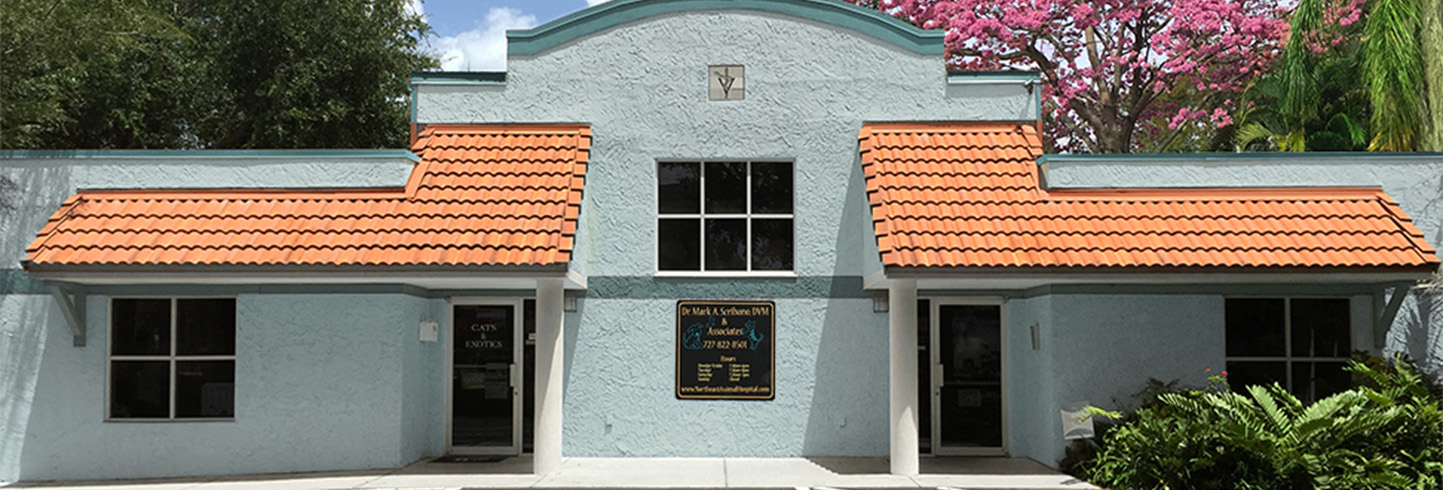
A Devoted St. Petersburg Animal Hospital
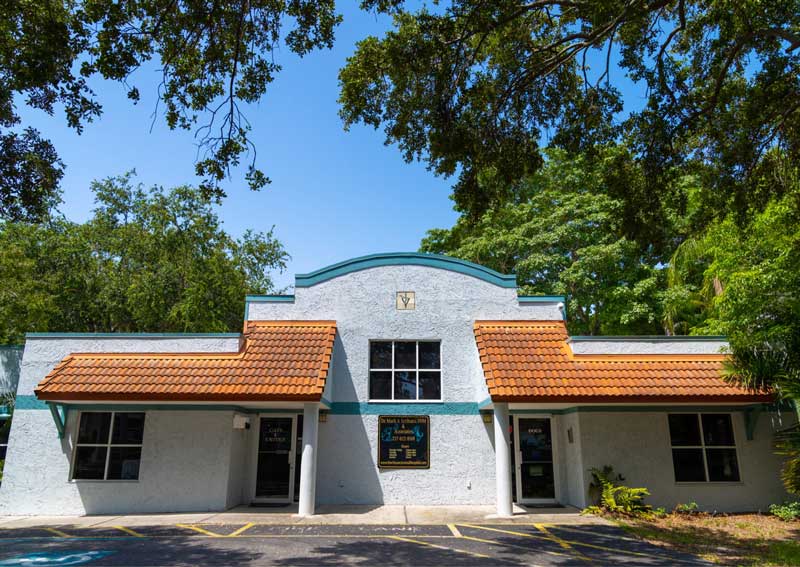
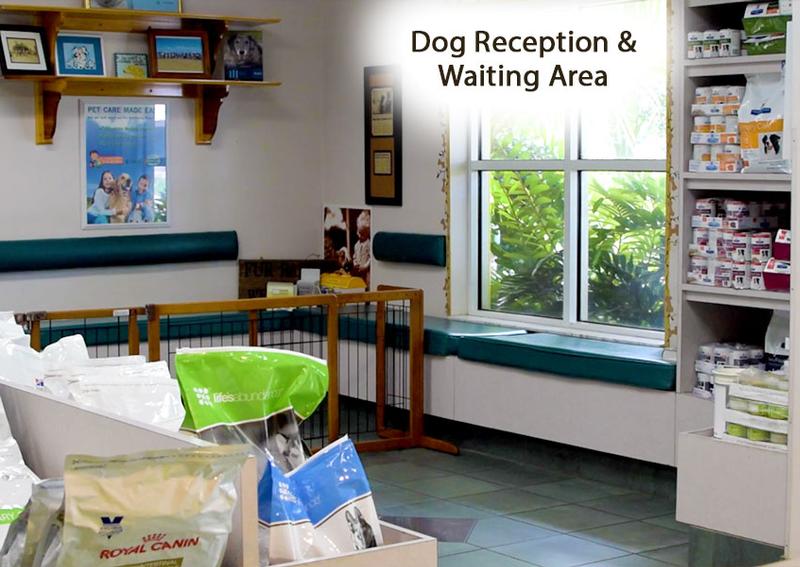
We offer two Saint Petersburg vet locations to serve the entire metro area:
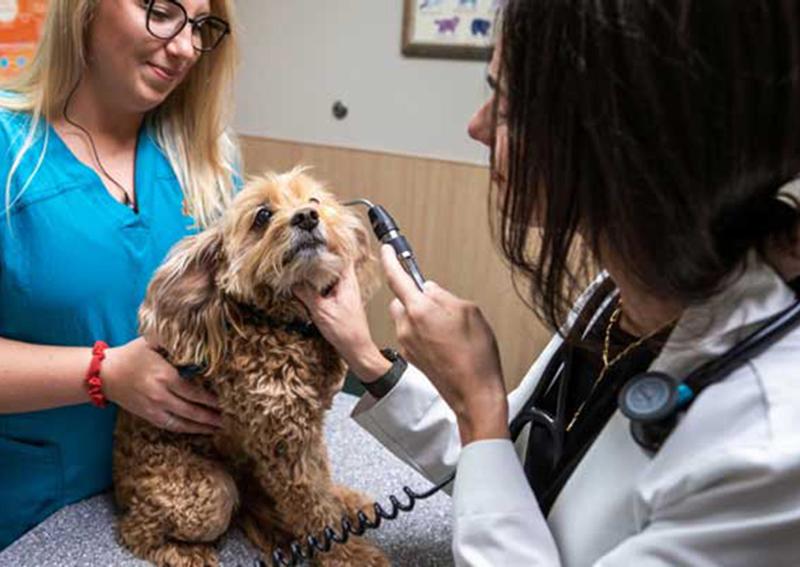
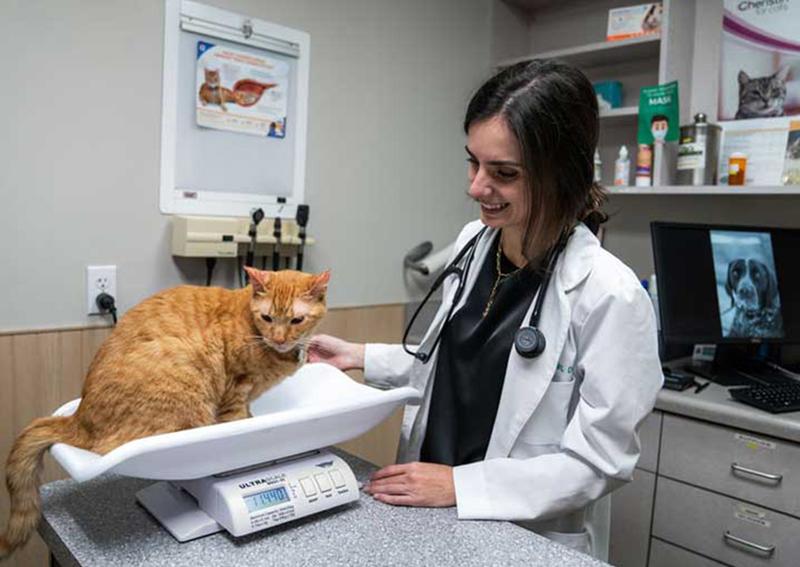
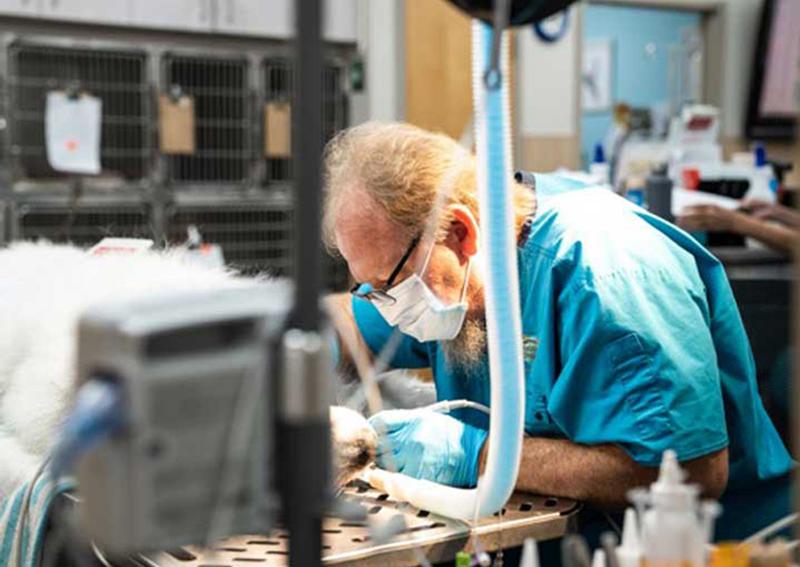
Northeast Animal Hospital provides full veterinary services for pets. This includes Dental Surgery, Laser Surgery, Digital Radiology, and Emergency Services (during business hours). The hospital also features an Advanced Diagnostics Laboratory and kennels for Boarding dogs and cats.
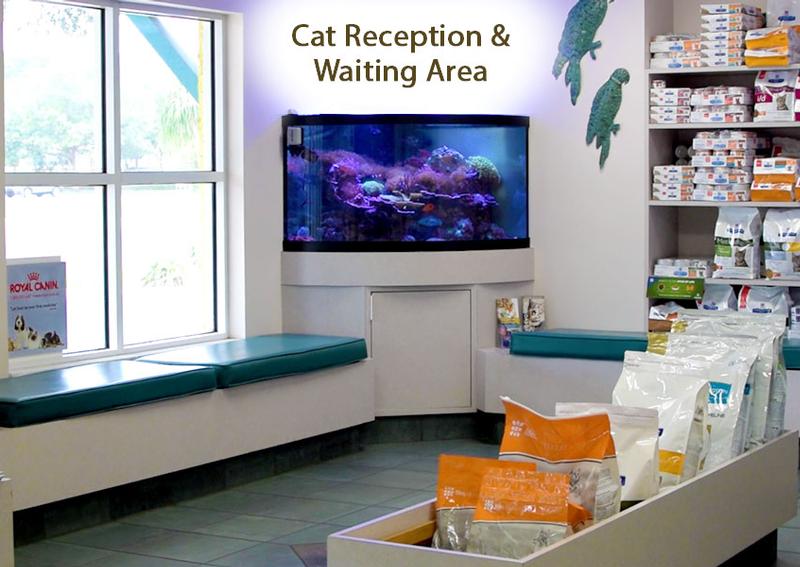
Downtown St. Pete Vet Clinic focuses on routine, outpatient healthcare for pets. Its calming environment provides a fun, relaxed atmosphere that helps ease anxiety. The clinic’s healthcare focus and central location allow convenient and timely visits
Call us, or request an appointment online!
Northeast (727) 822-8501 | Downtown (727) 755-7387

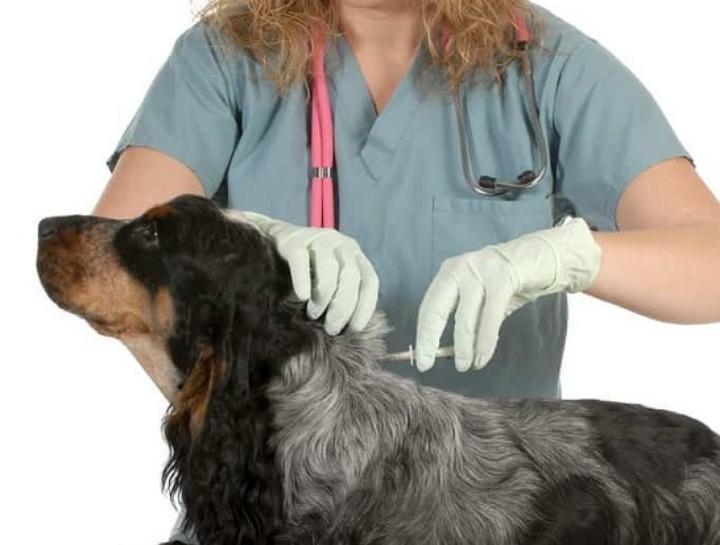
Microchips for Pets: Your FAQs Answered
A microchip is the best way to be reunited with your pet if you ever become separated. Learn More »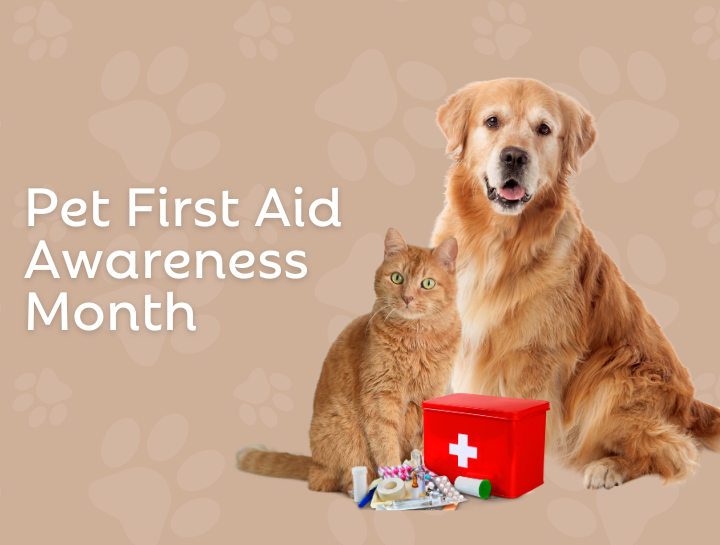
Pet First Aid Awareness
Being prepared with basic first aid supplies in the event of an emergency is part of being a responsible pet parent. There are a few items to consider having on hand in your own pet first aid kit. We’ve put together a list of these recommended items. Remember, the use of these items should only be used temporarily until your pet can be seen and examined by a veterinarian.
Learn More »Our Clients Love Us

Very helpful and professional staff.
Maureen G Smith
Dr. Sanin is very knowledgeable and thorough. She explains everything she recommends for my pups. Very clean establishment. Techs are nice and follow up when they say they will.
Tabitha Coleman

4.6
Rating on
Google Reviews!